





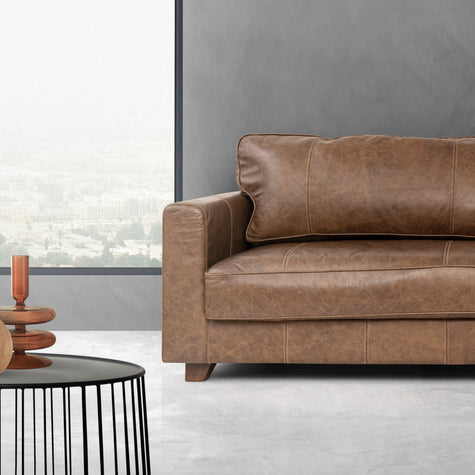















Leather sofas bring comfort, character and style to a living room. With the right care, they can also be relatively easy to maintain.
If you are searching for how to clean leather couch surfaces without causing damage, the most important rule is to use a gentle approach. Leather does not need harsh scrubbing, excessive water or strong household cleaners. These can strip the finish, affect the colour or leave the material dry and brittle.
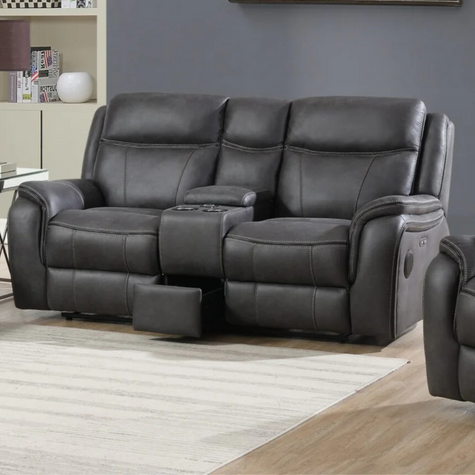
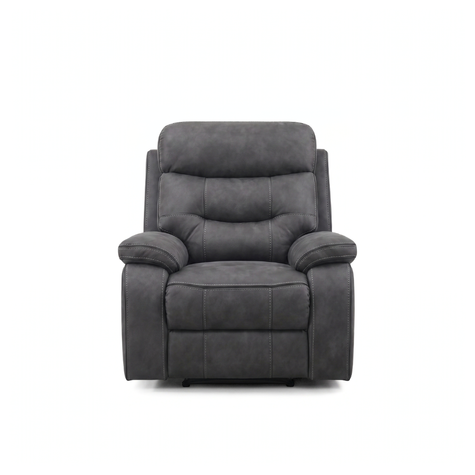
Whether you own a traditional leather sofa, a recliner sofa chair or a larger corner sofa, the basic cleaning process is similar. However, the leather type and finish should always determine which products and methods you use.
At Home Living Outlet, we believe affordable luxury furniture should combine style, comfort and practicality. Proper care can help your leather furniture maintain its appearance and comfort for longer..
Can You Clean a Leather Sofa at Home?
Yes, most leather sofas can be cleaned at home with the right products and a careful method. Regular maintenance helps remove dust, surface dirt and everyday marks before they become more difficult to deal with.
Leather upholstery needs different care from fabric. Its surface can react badly to excess moisture, unsuitable chemicals and vigorous rubbing.
Home cleaning is usually suitable for:
-
Everyday dust and surface dirt
-
Light marks
-
Small food or drink spills
-
Routine maintenance
-
Keeping the leather looking fresh
Take extra care with:
-
Deep or old stains
-
Ink marks
-
Heavy grease
-
Peeling or cracking
-
Faded or damaged colour
-
Tears and deep scratches
-
Unknown leather finishes
Before cleaning leather couch surfaces, check the manufacturer's care instructions. If you are unsure which type of leather you have, test every new product on a hidden area first.
Identify Your Sofa's Leather Type
Knowing the material is an essential first step when learning how to clean leather couch upholstery safely. Different leather finishes can respond differently to water, cleaning products and conditioning treatments.
Protected or Finished Leather
Finished leather has a protective surface and is commonly used for everyday sofas. It is generally more resistant to light marks and normal household use than untreated leather.
Even with a protective finish, avoid soaking the sofa or using strong cleaning products.
Aniline and Semi-Aniline Leather
Aniline and semi-aniline leather often have a softer, more natural appearance. They can also be more sensitive to water, oils and stains.
Always follow the manufacturer's care instructions before applying a cleaner to these finishes. If the sofa is valuable or particularly delicate, professional cleaning may be the safest option.
Faux Leather and Air Leather
If you are wondering what is air leather, the term generally refers to a leather-look upholstery material designed to provide a similar appearance and feel to genuine leather. The exact construction can vary, so the manufacturer's care instructions should always take priority.
This is particularly important if you have a contemporary modular sofa UK homeowners choose for flexible living spaces, as different upholstery materials may be used across different furniture collections.
Products You Need for Cleaning Leather Couch Surfaces
You do not need a large collection of specialist products to maintain a leather sofa.
For routine cleaning leather couch surfaces, prepare:
-
A soft microfibre cloth
-
Lukewarm water
-
A leather cleaner suitable for your sofa
-
A soft brush for seams and textured areas
-
A vacuum cleaner with an upholstery attachment
-
A leather conditioner, if recommended for the finish
The most important product is the cleaner. Choose one designed for the specific type of leather or upholstery on your sofa.
Do not assume a product is safe simply because it works well on glass, wood, fabric or other household surfaces.
How to Clean Leather Couch Surfaces Step by Step
1. Read the Care Instructions
Before you begin, check the sofa's care label, product information or manufacturer's guidance.
Look for details about suitable cleaners, conditioners and methods to avoid. If the instructions recommend professional cleaning, follow that advice.
2. Remove Cushions and Loose Dirt
Remove the cushions if possible. Use a vacuum cleaner with a suitable upholstery attachment to remove crumbs, dust and loose dirt.
Pay particular attention to seams, corners and the areas beneath the cushions. Grit and dust can cause surface wear when rubbed into the leather.
3. Test the Product
Never apply a new cleaner to the entire sofa straight away.
Apply a small amount to an inconspicuous area, such as the back or underside of a cushion. Allow it to dry fully, then check for changes in colour, texture or finish.
If the test area looks unchanged, continue carefully.
4. Apply the Cleaner Sparingly
Place a small amount of suitable leather cleaner on a soft cloth rather than pouring it directly onto the sofa.
Work on one small section at a time using gentle circular movements. Avoid aggressive rubbing, particularly on dry, cracked or worn areas.
5. Wipe Away Residue
If the product instructions recommend it, use a clean, slightly damp cloth to remove residue.
Do not leave excess cleaner or moisture on the surface. Avoid soaking the leather, as trapped moisture can cause damage.
6. Dry the Sofa Naturally
Allow the sofa to dry naturally in a well-ventilated room.
Do not use a hairdryer or place the sofa directly beside a radiator. Sudden heat can dry out the leather, affect the finish or cause uneven colour.
7. Condition Only When Appropriate
Some leather finishes benefit from conditioning, while others may not require it.
If conditioning is recommended, apply a small amount of a suitable product after cleaning and drying. Too much conditioner can leave the surface greasy and attract dirt.
How to Remove Common Leather Sofa Stains
Different stains require different approaches. In most cases, acting quickly and gently gives you the best chance of avoiding permanent marks.
Water and Drink Spills
Blot the spill with a clean, dry cloth. Do not rub, as this can spread the liquid and push it further into the surface.
Once you have removed the excess, follow the manufacturer's cleaning instructions for your leather type.
Food Marks
Carefully remove solid food from the surface without scraping aggressively.
Use a suitable leather cleaner on a soft cloth if a mark remains. Avoid applying excessive pressure, especially if the leather has a delicate finish.
Grease and Oil
Grease and oil can penetrate leather and may be difficult to remove completely.
Do not experiment with strong household products. Follow the manufacturer's stain-care guidance or contact a professional leather cleaner if the mark is severe.
Ink Marks
Ink is one of the more difficult stains to remove from leather.
Avoid immediately using alcohol, nail-polish remover, solvents or abrasive products. These may remove the colour or damage the protective coating.
For valuable, delicate or light-coloured furniture, professional cleaning is often the safer choice.
Which Products Should You Avoid?
One of the most important parts of learning how to clean leather couch upholstery is understanding which products can cause damage.
Washing-Up Liquid
Some people use diluted washing-up liquid for household cleaning. However, leather finishes vary, and washing-up liquid may remove natural oils or affect the surface.
Use a product designed for leather unless the manufacturer specifically recommends a mild detergent.
Vinegar
Vinegar is often suggested as a natural cleaning solution, but it is not suitable for every leather finish.
Avoid applying acidic products to expensive, delicate or untreated leather.
Baking Soda
Baking soda can be abrasive. Rubbing it into leather may affect the finish or leave the surface looking uneven.
Choose a suitable leather-care product instead.
Baby Wipes
Baby wipes may contain fragrances, oils or other ingredients that are not designed for leather upholstery.
Although they may feel gentle, they should not automatically be treated as a leather cleaner.
Disinfectant Sprays
Strong disinfectants can affect the colour, coating and texture of leather.
Unless the manufacturer confirms that a particular disinfectant is suitable, avoid spraying it directly onto the sofa.
Furniture Polish
Furniture polish is designed for materials such as wood and may leave leather greasy, sticky or discoloured.
Use a product specifically formulated for leather or the relevant synthetic upholstery.
Common Leather Sofa Cleaning Mistakes to Avoid
Good cleaning leather couch habits are often about knowing what not to do.
Avoid these common mistakes:
-
Using too much water
-
Pouring cleaner directly onto the sofa
-
Scrubbing stains aggressively
-
Applying untested household products
-
Skipping a patch test
-
Using abrasive cloths or brushes
-
Applying too much conditioner
-
Drying the sofa with direct heat
-
Ignoring spills until they become established stains
-
Treating every leather type in the same way
-
Cleaning without checking the manufacturer's instructions
Gentle, controlled cleaning is usually safer than trying to remove a difficult mark quickly.
How Often Should You Clean a Leather Sofa?
Leather furniture benefits from regular light maintenance rather than occasional intensive cleaning.
Remove dust and crumbs as part of your normal household cleaning routine. Deal with spills as soon as they happen.
A deeper clean may be appropriate when the sofa looks dull or develops visible surface marks. Conditioning should only be carried out when it is suitable for the leather finish and recommended by the manufacturer.
Homes with children, pets or heavy daily use may need more frequent cleaning.
How to Protect Your Leather Sofa Between Cleans
Cleaning is only one part of leather sofa care. Good everyday habits can help protect the upholstery and reduce unnecessary wear.
To help protect your furniture:
-
Keep it away from strong direct sunlight where possible
-
Avoid placing it directly beside radiators or other heat sources
-
Blot spills promptly
-
Keep pets from scratching the surface
-
Remove dust from seams and corners
-
Avoid placing sharp objects on the sofa
-
Do not sit on the arms or backrest
-
Follow the manufacturer's care instructions

If you have recliner corner sofas UK homeowners often choose for larger living rooms, pay particular attention to the areas around reclining sections and moving parts. These areas can collect dust and crumbs and may need more frequent attention.
For anyone investing in affordable luxury furniture UK homes, regular maintenance is a simple way to protect the appearance and comfort of quality furniture.
What If Your Leather Sofa Is Already Damaged?
Cleaning cannot repair every leather problem.
If your sofa has severe cracking, peeling, tears, deep scratches or significant colour loss, stop before applying cleaning products.
Cleaning may make existing damage more noticeable or worsen the problem if the wrong product is used.
For valuable furniture, professional leather repair or cleaning may be the better option. This is particularly important for premium furniture where preserving the original finish matters.
Choosing the Right Cleaning Method
The best method depends on the type of leather and the problem you are trying to solve.
-
For everyday dust:
Vacuum gently and wipe the surface with a suitable soft cloth. -
For a fresh spill:
Blot rather than rub, then follow the manufacturer's cleaning instructions. -
For a light mark:
Use a suitable leather cleaner sparingly and test it first. -
For a visible stain:
Identify the stain and leather type before choosing a product. -
For ink, deep grease or severe marks:
Avoid household remedies and consider professional cleaning.
The same principle applies whether you have a standard leather sofa, a recliner sofa chair or larger recliner corner sofas UK homes often use as a main seating area.
Leather Sofa Cleaning Checklist
Before Cleaning
-
Check the manufacturer's care instructions
-
Identify the leather or upholstery type
-
Remove loose dust and debris
-
Choose a suitable cleaning product
-
Test the product in a hidden area
While Cleaning
-
Use a soft microfibre cloth
-
Apply products sparingly
-
Work on small sections
-
Use gentle movements
-
Avoid excessive moisture
-
Do not scrub aggressively
After Cleaning
-
Remove residue if instructed
-
Allow the sofa to dry naturally
-
Condition only when appropriate
-
Check the surface before using the sofa normally
-
Store cleaning products safely
Frequently Asked Questions
What is the safest way to clean a leather sofa?
Remove loose dirt first, then use a leather cleaner suitable for the sofa's finish. Apply it sparingly with a soft cloth and test it on a hidden area before cleaning the entire sofa.
Can I use water to clean a leather sofa?
A small amount of lukewarm water may be suitable for some leather finishes, but avoid soaking the surface. Always follow the manufacturer's care instructions.
What products can I use to clean a leather sofa?
A soft microfibre cloth and a suitable leather cleaner are usually the safest starting points. The correct product depends on the type and finish of the leather.
How can I remove stains from a leather sofa?
Start by identifying the stain and leather type. Blot fresh spills rather than rubbing them. For difficult stains, use an appropriate leather cleaner or seek professional advice.
What is air leather and how should it be cleaned?
Air leather is generally a leather-look upholstery material, although its exact construction varies. Check the manufacturer's instructions and use a cleaner suitable for synthetic upholstery rather than assuming a genuine leather product is appropriate.
Final Thoughts
Knowing how to clean leather couch surfaces is simple with gentle, regular care. Check the manufacturer's instructions, remove loose dirt and test any cleaner first.
Avoid harsh chemicals, excess water and scrubbing. For deep stains or damage, contact us for professional advice.
At Home Living Outlet, we offer stylish, comfortable furniture designed for everyday living.