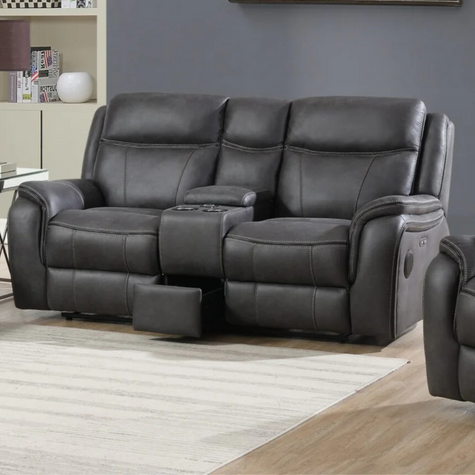
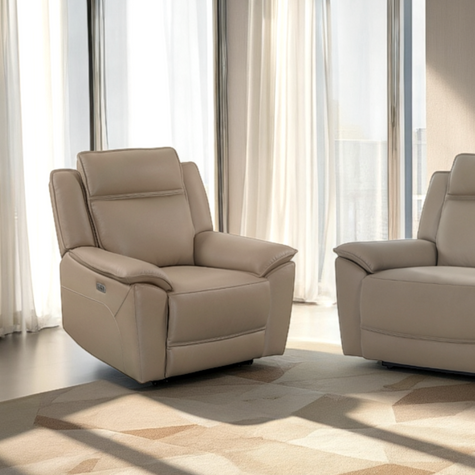
Choosing the right seating for your living room is a balancing act between aesthetics, lifestyle dynamics, and budget. For those attracted to the sleek, sophisticated look of smooth surfaces, the choice inevitably boils down to a classic material debate: leatherette vs leather.
When searching for the perfect centerpiece, you will see a massive variation in price and terminology. Whether you're furnishing a home in Waterfoot Rossendale or anywhere else in the UK, understanding the differences between genuine leather and leatherette will help you choose a sofa that suits both your lifestyle and budget. You might come across an authentic leather sofas uk collection or browse through highly affordable leather couches online, only to find visually identical sofa set leatherette options retailing for a fraction of the cost.
But which material truly serves your home best? Focusing exclusively on the lower price tag of faux alternatives can lead to long-term disappointment, while blindly assuming genuine hide is perfect for every household ignores key lifestyle variables like pets, climate, and maintenance habits.
This comprehensive, unbiased guide breaks down the structural, functional, and financial realities of both materials so you can choose the ideal option for your specific household needs.
Defining the Materials: What Goes into Authentic Leather Sofas in the UK?
To make an informed decision, it is essential to understand exactly what these materials are made of and how they are engineered.
Genuine Leather: The Backbone of Premium Leather Sofas in the UK
Genuine leather is a completely natural material derived from animal hides (predominantly cattle). For premium furniture manufacturing, this raw material undergoes a rigorous tanning process to preserve the hide, improve its strength, and dye it for aesthetic appeal.
Real leather is characterized by its unique grain patterns, subtle natural markings, breathability, and a distinct aroma that synthetic materials simply cannot replicate.
Leatherette (Faux / Synthetic Leather)
Leatherette is a man-made fabric designed to mimic the texture and appearance of genuine hide. It is constructed by taking a fabric backing cloth (typically composed of polyester, nylon, or cotton) and coating it with a synthetic plastic polymer layer.
The two main types of leatherette are:
-
PVC (Polyvinyl Chloride): A rigid, highly durable plastic layer that is highly chemical-resistant but less breathable.
-
PU (Polyurethane): A softer, more flexible alternative that feels closer to genuine leather and offers improved breathability, making it the preferred choice for modern mid-tier faux furniture pieces.
Head-to-Head Comparison: The 7 Core Performance Metrics
To help you evaluate these materials objectively, let’s compare them across seven core areas that directly impact your daily ownership experience.
|
Performance Metric |
Genuine Leather |
Leatherette (Synthetic / Faux) |
|
Average Lifespan |
10 to 20+ Years |
2 to 5 Years |
|
Aging Process |
Develops a desirable patina; softens |
Brittles, cracks, and peels over time |
|
Breathability & Comfort |
High; adjusts to body temperature |
Low; can trap heat and sweat |
|
Spill Resistance |
Absorbs liquids if left untreated |
Highly waterproof; wipes clean easily |
|
Scratch & Pet Safety |
Resists punctures; marks can blend in |
Easily punctured; peeling spreads |
|
Sustainability |
Biodegradable but high chemical use |
Plastic-based; won't biodegrade |
Lifespan and Long-Term Aging
-
Genuine Leather: Real hide is structurally incredibly resilient. Instead of wearing down, it undergoes an aging process known as developing a patina. Over years of use, the surface develops a unique, soft sheen and becomes noticeably more supple, meaning a genuine leather couch often looks better at Year 5 than it did on Day 1.
-
Leatherette: Synthetic polymers do not age gracefully. Over time, exposure to sunlight, friction, and natural body oils causes the plastic coating to lose its plasticizers. This results in the surface becoming brittle, cracking, and eventually peeling away from the fabric backing layer. Once peeling begins, the damage is generally irreversible.
Comfort & Climate Adaptability
-
Genuine Leather: Because it is a natural porous membrane, real leather boasts exceptional breathability. It dynamically adjusts to your local room climate and body heat. It resists feeling excessively cold in harsh British winters and won't trap perspiration during the summer months, providing comfortable year-round seating.
-
Leatherette: Plastic-coated fabrics are non-porous. They trap ambient heat and humidity against your skin, which can cause a sticky, uncomfortable sensation during hot weather. Conversely, in a cold room, synthetic surfaces can feel quite icy to the touch until warmed by body heat.
Spill and Stain Maintenance
-
Genuine Leather: While naturally resistant to minor, immediate spills, real leather is somewhat porous. If a highly pigment-rich liquid (like red wine or coffee) is left pooled on untreated leather, it can slowly absorb and leave a permanent stain. It requires specialized leather cleaners and occasional conditioning treatments to stay supple.
-
Leatherette: This is where synthetics excel. The non-porous PVC or PU outer layer acts as an absolute barrier against moisture. Spills sit entirely on the surface, allowing you to wipe away liquids, ink, or dropped food with a damp cloth and mild dish soap. It requires no specialized conditioning treatments.
Pet-Friendliness & Scratch Resistance
-
Genuine Leather: Real hide has immense tensile strength and naturally resists deep punctures from cat or dog claws. While sharp claws can leave light surface scratches, these markings often blend seamlessly into the natural grain over time, contributing to a rustic, lived-in aesthetic.
-
Leatherette: While initially resistant to minor dirt, leatherette is vulnerable to sharp puncturing. If a pet's claw pierces the ultra-thin synthetic topcoat, the structural tension is compromised. Regular movement will cause that tiny puncture hole to peel and expand rapidly, exposing the white fabric backing beneath.
Sustainability and Environmental Footprint
-
Genuine Leather: Real leather is a natural byproduct of the agricultural industry, and a well-crafted piece can last for decades, reducing furniture landfill waste. However, traditional chrome-tanning processes involve heavy chemical usage that requires strict environmental management.
-
Leatherette: While completely vegan-friendly as it avoids animal products, the manufacturing of synthetic leather relies heavily on fossil fuels and petroleum-based plastics. Furthermore, because these synthetic pieces have a much shorter operational lifespan and cannot be easily recycled, they contribute more frequently to landfill waste, where the plastic elements take centuries to decompose.

The Financial Equation: Lifetime Value of Leather Sofas in the UK
When analyzing ownership costs, you have to look beyond the initial checkout price to calculate the true cost-per-year value.
Initial Purchase Price
A synthetic couch is significantly cheaper to manufacture on a mass scale than a real leather alternative. For temporary living arrangements, student rentals, or rapidly changing design trends, a faux sofa allows you to achieve a sleek aesthetic on a minimal budget.
Cost-Per-Year Calculations
Let’s look at the long-term math. A budget-tier synthetic sofa might cost you £450 but require full replacement after 3 years due to surface peeling, resulting in an active ownership cost of £150 per year.
Conversely, investing in high-quality leather sofas uk homeowners keep for an average of 15 years might carry an initial price tag of £1,200. This equates to an ownership cost of just £80 per year. Real leather frequently proves to be the more financially sound investment over time.
Smart Buying: How to Get Premium Leather Sofas in the UK on a Faux Budget
If you love the longevity, breathability, and rich feel of genuine leather but have a budget tailored for synthetic alternatives, you don’t have to compromise on materials.
For homeowners in Waterfoot Rossendale, shopping through trusted clearance retailers like Home Living Outlet makes it possible to enjoy premium genuine leather sofas without paying traditional high-street prices.
At Home Living Outlet, we specialize in bridge-tier pricing by sourcing pristine clearance models, canceled high-street custom orders, and overstock directly from premium British retailers. This strategy allows us to offer genuine leather suites and advanced mixed-material designs at up to 70% off their original high-street Recommended Retail Price (RRP).
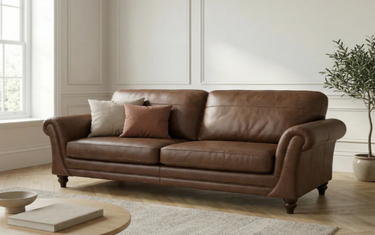
For example, you can frequently find premium models like the Jackie Blue Leather 3-Seater and Loveseat Set or sophisticated hybrid material suites down in the £899 to £1,499 price range. This unique approach allows you to place a durable, real-hide luxury piece into your living room for the exact price of an entry-level synthetic model.
Which Material Suits Your Lifestyle? Unbiased Recommendations
To help you make your final choice, select the profile below that best matches your daily household reality:
If you're shopping in Waterfoot Rossendale, consider how your household uses the sofa every day. Families with children or pets may benefit from durable genuine leather, while temporary homes or rental properties may find leatherette to be a more practical short-term solution.
Choose Genuine Leather If:
-
You view your sofa as a long-term, 10+ year structural investment for your home.
-
You experience allergies (real leather does not trap pet dander, dust mites, or organic pollen).
-
You appreciate natural materials that soften, patina, and improve with age.
-
You want high breathability to ensure maximum comfort in both hot summers and chilly winters.
Choose Leatherette If:
-
You are furnishing a temporary space, short-term rental property, or a student flat.
-
You strictly follow a vegan lifestyle and prefer zero animal products in your home decor.
-
Your household deals with frequent, highly messy spills (such as toddlers with paints or marker pens) where absolute water resistance is needed.
-
You enjoy changing up your interior design style every few years and don't require a 15-year piece.

Frequently Asked Questions
How can I easily tell the difference between real leather and leatherette?
The most reliable indicators are scent, texture, and the backing material. Real leather has a distinctive, rich organic aroma, and its surface features irregular pore patterns that feel warm to the touch. If you press firmly into real leather, wrinkles will radiate outward from your thumb. Leatherette often smells faintly of plastic, feels uniformly smooth or mechanically stamped, and if you can inspect the underside through a zipper seam, you will find a woven fabric backing cloth.
Does leatherette split and peel easily?
Yes, splitting and peeling are the most common failure points for synthetic leather. Because the material is made by bonding a plastic top coat onto a fabric base, regular flexing, friction, and exposure to sunlight cause the synthetic layer to lose its flexibility over 2 to 5 years, leading to cracks and flaking.
Do real leather sofas require a lot of ongoing maintenance?
Not excessively. For day-to-day cleaning, a simple wipe down with a dry or slightly damp microfibre cloth is all that is required to remove dust. To maximize its lifespan, it is recommended to apply a dedicated leather conditioning cream once or twice a year to keep the hide hydrated and prevent it from drying out near radiators or direct sunlight.
Are leather sofas a safe option for households with pets?
Yes, genuine top-grain leather is excellent for homes with pets. Unlike fabric options, it won't trap pet hair, odors, or mud from paws, and its tough fibrous structure makes it highly puncture-resistant against claws. While minor surface scratches can occur, they can usually be buffed out with a leather conditioner or left to blend into the character of the piece.
For homeowners in Waterfoot Rossendale, regular dusting and occasional conditioning are usually all that's needed to keep a quality leather sofa looking its best for many years.
Why do some leather sofas cost significantly more than others?
The price difference is driven by the specific grade of leather used. Full-grain and top-grain leathers utilize the strongest, most durable outer layers of the hide and require minimal processing, making them premium options. Lower-priced "leather" items often use bonded leather, which consists of ground-up leather scraps glued together onto a backing sheet, resulting in a much lower lifespan similar to synthetic alternatives.