


























































































A leather sofa is one of the best-looking and longest-lasting pieces you can put in a living room, but it is never far from a spilled mug of tea, a muddy paw print or a stray biro mark. The good news is that learning how to clean leather couch surfaces properly is far easier than most people expect. With a few simple supplies, a calm approach and the right order of steps, you can deal with most accidents at home without damaging the finish. If you are still choosing your next sofa, you can browse the full range at Home Living Outlet and see which finishes suit your household best.
This guide covers cleaning leather couch spills, everyday dirt and stubborn marks, plus the habits that keep leather soft and supple for years.
Know Your Leather Before You Start
Not all leather behaves the same way, so the first step in any leather sofas cleaning routine is identifying what you own. A method that is perfectly safe on one type can leave another looking dull, cracked or patchy.
The Main Types You Will Come Across
-
Protected (finished) leather: The most common type on modern sofas. A thin protective coating makes it resistant to light spills and easy to wipe.
-
Aniline and semi-aniline leather: Softer and more natural-looking, but far more absorbent. These need very little moisture and gentle, specialist products.
-
Bonded leather: Made from leather fibres joined to a backing. The surface layer can peel if scrubbed, so keep cleaning light and quick.
-
Leather air material: A leather-look material designed to feel like leather while being lighter, softer and simpler to maintain. Leather air material usually wipes clean with a damp cloth and mild soap, but always check the care label first.
Do a Patch Test First
Whatever the material, test any cleaner on a hidden area, such as the back of the sofa or underneath a cushion. Apply a small amount, let it dry fully and check for colour transfer, darkening or a change in texture. It takes ten minutes and can save you from a very expensive mistake.
Your Everyday Routine for Cleaning Leather Couch Surfaces
Most leather damage comes from slow build-up rather than dramatic accidents. Body oils, dust and grit act like fine sandpaper, wearing down the protective finish over time. A short, regular routine stops that from happening.
What You Need
-
Two or three clean microfibre cloths
-
A soft-bristled brush or a vacuum with an upholstery attachment
-
Mild, pH-neutral soap or a dedicated leather cleaner
-
Distilled water, which is especially helpful in hard-water areas of the UK where limescale can leave marks
-
A good-quality leather conditioner
The Weekly Quick Clean
-
Vacuum the seams, crevices and the space under the cushions using a soft attachment.
-
Wipe the whole surface with a dry microfibre cloth to lift dust.
-
Buff lightly so the leather keeps a fresh, even look.
The Monthly Deeper Clean
Add a few drops of mild soap to a bowl of lukewarm distilled water and dip a cloth in it, wringing it out until it is barely damp. Wipe each section in gentle circles, then follow straight away with a second cloth dampened with plain water, and finish with a dry towel. Never soak the leather. Excess moisture is the number one enemy of any leather couch.
How to Clean Leather Couch Spills Quickly
Speed matters. Leather is a natural material with pores, so liquids soak in if they are left to sit. The rule is always the same: blot, never rub.
Water-Based Spills: Tea, Coffee and Juice
Blot immediately with a dry, absorbent cloth, pressing down and lifting rather than dragging, which only spreads the liquid. Once the surface is mostly dry, wipe with a lightly damp cloth and then a clean, dry towel. Let the sofa air-dry naturally, well away from radiators and fires.
Greasy Spills: Takeaway, Butter and Oil
Lift off any excess with a cloth, then sprinkle a thin layer of cornflour or baking soda over the area. Leave it for several hours or overnight so it can draw out the oil, then brush it away with a soft brush. Repeat if needed. Avoid adding water to the grease, as this can push it deeper.
Red Wine and Dark Drinks
What to do straight away
Blot as much of the liquid as you can, working from the outer edge of the spill towards the centre so it does not spread.
What to avoid
Skip salt, bleach and general household stain removers. A damp cloth followed by a leather-safe cleaner is the safest approach, and if a mark lingers, a specialist leather cleaner or a professional is the next step.
Removing Marks, Scuffs and Stubborn Dirt
Marks are where most people panic, but many are easier to treat than they look. Work slowly, test first and use as little product as possible.
Ink and Pen Marks
Act quickly and dab, never rub, using a cotton bud lightly dampened with a leather-safe ink remover. Household alcohol and hairspray are often suggested online, but they can strip colour, so treat them as a last resort on a hidden patch only. For large or old marks, call a leather specialist.
Scuffs and Light Scratches
On finished leather, rub the area gently with a clean fingertip. Body warmth and the natural oils in leather often blend light scratches away. A tiny dab of conditioner can help the colour even out.
Dark Arms and Headrests
Sweat, hand cream and hair products leave oils on the places we touch most. Wipe these areas regularly with a slightly damp cloth and apply conditioner every few months so the oils do not harden into dark patches.
Pet Hair and Paw Prints
Brush off loose hair first, then wipe with a damp microfibre cloth. Keep claws trimmed and place a washable throw on your pet's favourite spot to protect the leather.
Cleaning Leather Recliners: Seams, Footrests and Mechanisms

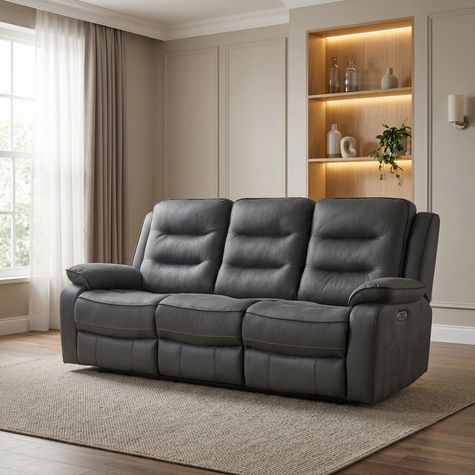
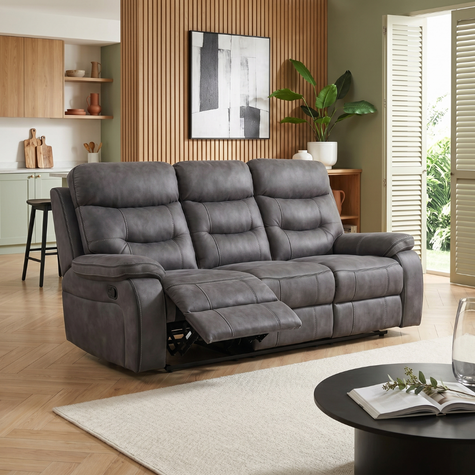
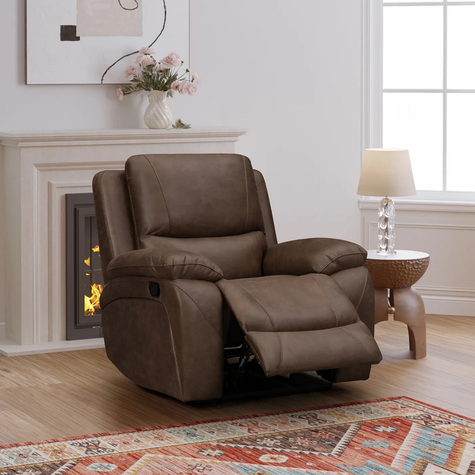
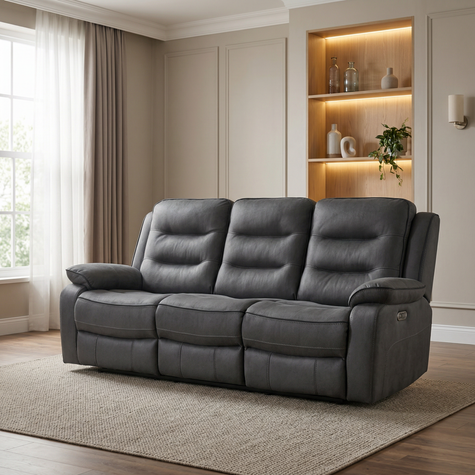
Recliners need a little extra attention because they have more seams, folds and moving parts where dirt collects. If you are shopping for a recliner sofa UK households can rely on, it helps to know how to care for it from day one. A 3 seat recliner sofa, for example, has several headrests, armrests and footrests, so a regular wipe-down makes a real difference.
-
Footrests and sides: Wipe the leather where feet and hands rest, and dust the hinges with a soft brush.
-
Seams and creases: Use a vacuum crevice tool to remove crumbs and grit that can wear into stitching.
-
Headrests: Wipe weekly, as hair oils build up quickly.
-
Mechanism: Never spray liquid near the moving parts. Keep cloths damp, not wet.
At Home Living Outlet, an affordable recliner sofa does not have to mean difficult upkeep. Choosing a protected leather or easy-wipe leather air material makes everyday cleaning much faster.
Conditioning: The Step That Keeps Leather Soft
Cleaning removes dirt, but it also takes away some natural oils. Conditioning puts moisture back and helps prevent cracking. Apply a small amount of conditioner to a soft cloth and work it in using light circular motions, then leave it to absorb for the time stated on the product and buff off any excess.
For most homes, conditioning two to four times a year is plenty. Sofas near radiators, bay windows or in very sunny rooms may need it more often. Always follow the manufacturer's care guidance, and keep leather out of direct sunlight to avoid fading.
Common Mistakes to Avoid
Even well-meaning cleaning can cause damage. Steer clear of these habits:
-
Using baby wipes or multi-surface sprays: They often contain alcohol or chemicals that dry leather out.
-
Soaking the surface: Water stains and stiffness are hard to reverse.
-
Using a hairdryer or heater to speed up drying: Heat makes leather shrink and crack.
-
Scrubbing hard: This can remove the protective finish or colour.
-
Skipping the patch test: Always test first, every time.
Choosing Furniture That Is Easy to Keep Clean

The easiest sofa to clean is one that suits your lifestyle. Busy family homes often do well with protected leather or leather air material, while quieter households may prefer softer finishes. If you are planning a larger living space, our corner sofas offer generous seating with finishes chosen for everyday life, and if you would rather avoid leather altogether, take a look at the fabric sofa collection for alternatives. Whatever you choose, Home Living Outlet is here to help you find a style that looks good and stays that way.
With a gentle routine, quick action on spills and the occasional conditioning treatment, cleaning a leather couch becomes a simple habit rather than a chore, and your sofa will reward you with years of comfortable, good-looking use.
Frequently Asked Questions
1. How often should I clean a leather couch?
Dust and vacuum weekly, give it a lightly damp wipe monthly and condition two to four times a year. Heavily used sofas, or those in homes with pets and children, may need a little more attention.
2. Can I use soap and water on leather?
On finished leather, a few drops of mild, pH-neutral soap in lukewarm water on a well-wrung cloth is usually safe. Avoid it on aniline leather unless the care label allows it, and always do a patch test.
3. What is the best way to remove a stain from a leather sofa?
Blot the spill straight away, never rub, and treat according to the type of stain: damp cloth for water-based spills, absorbent powder for grease and a leather-safe remover for ink.
4. Is leather air material easy to clean?
Yes. Leather air material is designed to be low-maintenance and typically wipes clean with a soft damp cloth and mild soap. Check the care instructions for your specific sofa.
5. Can I use vinegar or baby wipes on a leather sofa?
It is best to avoid both. Vinegar can dry or discolour some finishes and baby wipes may contain alcohol or additives. Use a proper leather cleaner or mild soap instead.
6. How do I clean a 3 seat recliner sofa without damaging the mechanism?
Keep your cloth only slightly damp, never spray liquid near moving parts, and use a soft brush or vacuum crevice tool around hinges and seams.


