
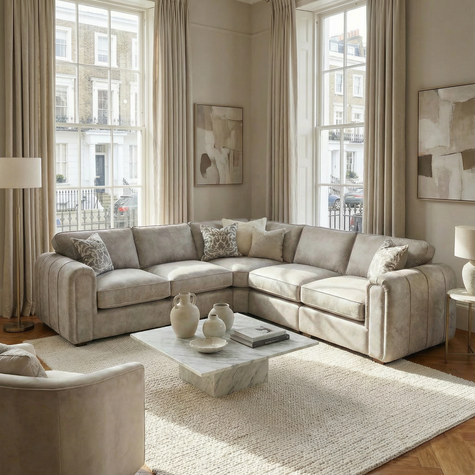
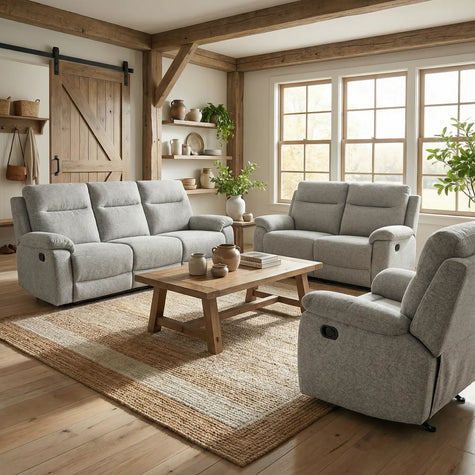
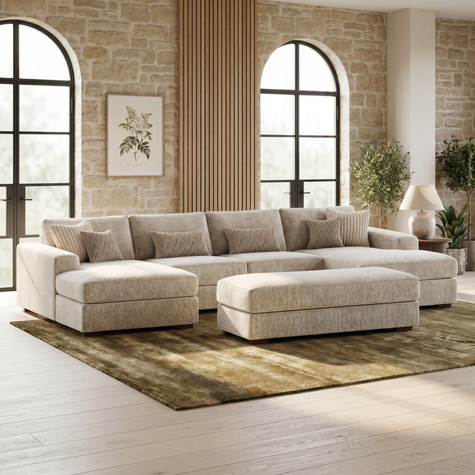


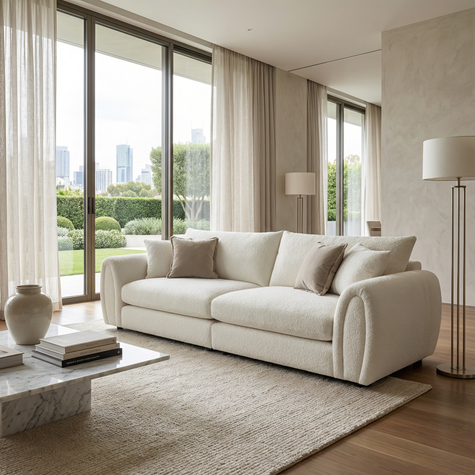
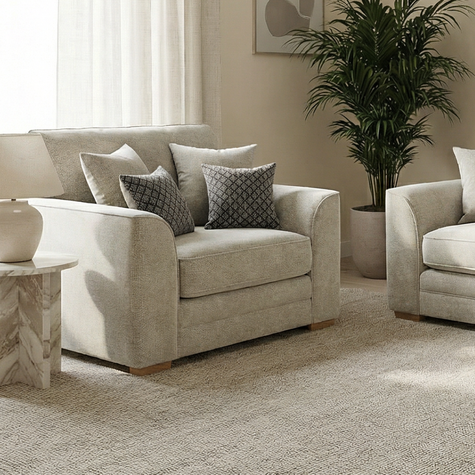

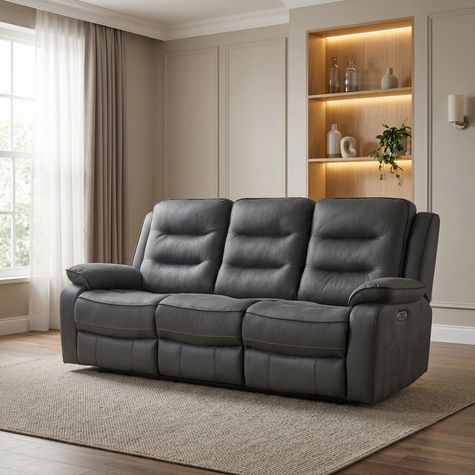
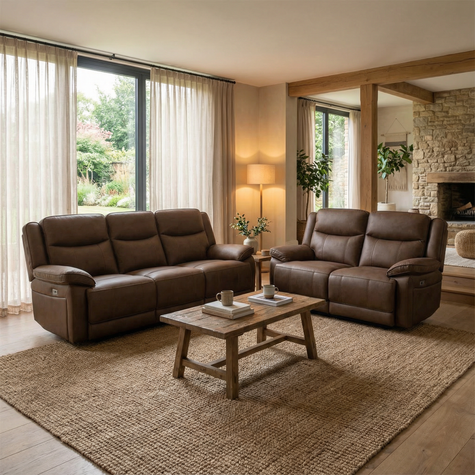
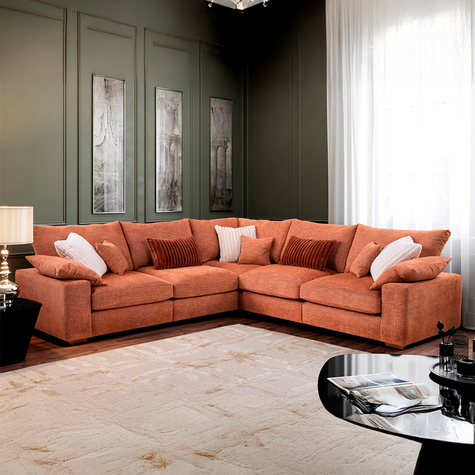

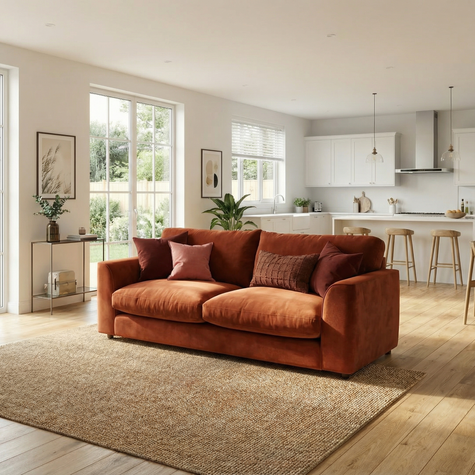

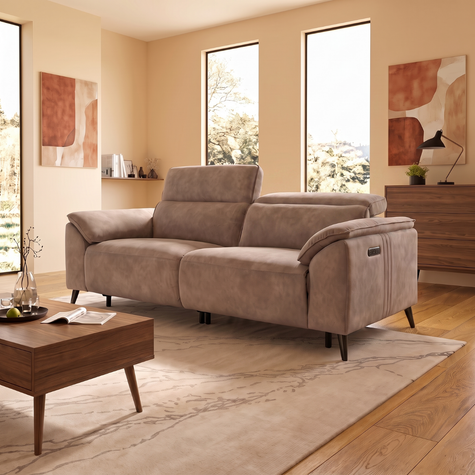

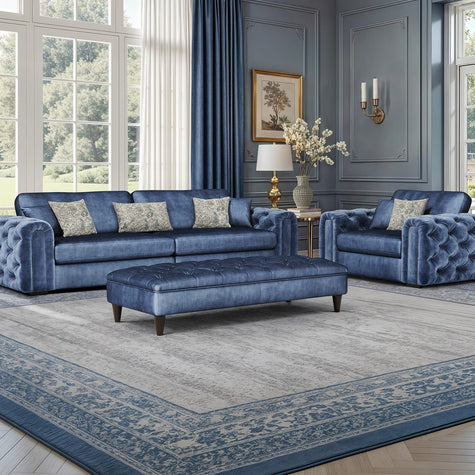
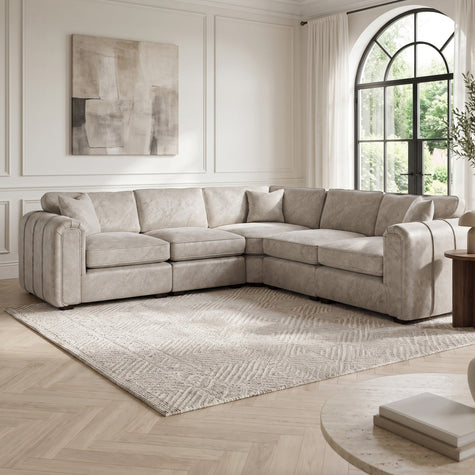

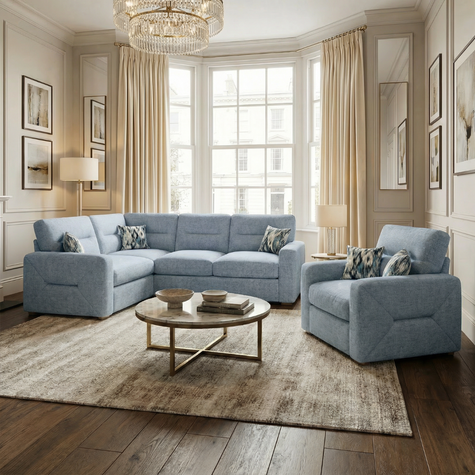
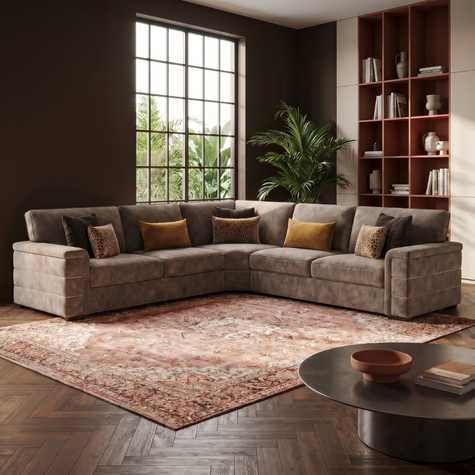
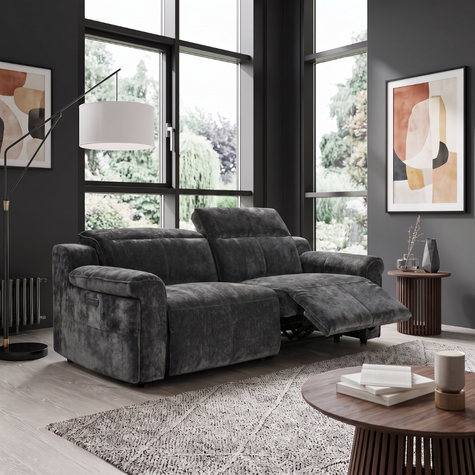


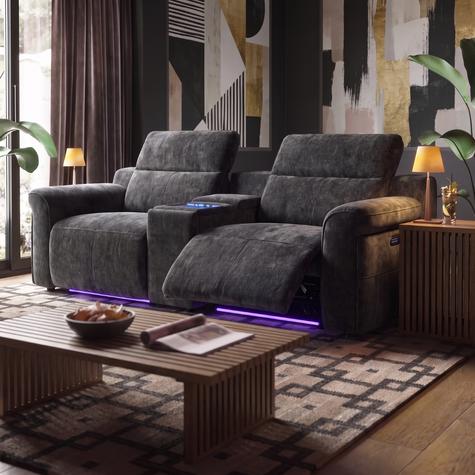


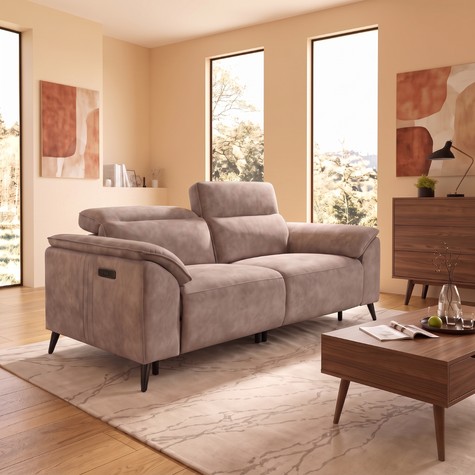


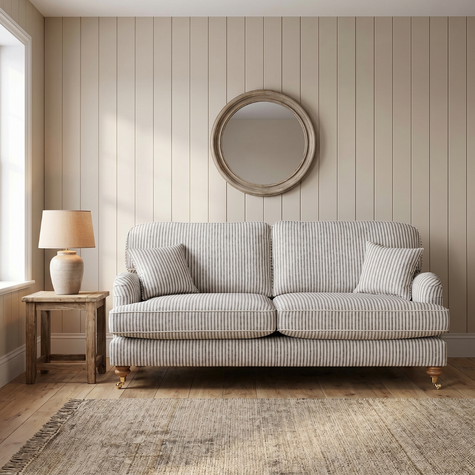


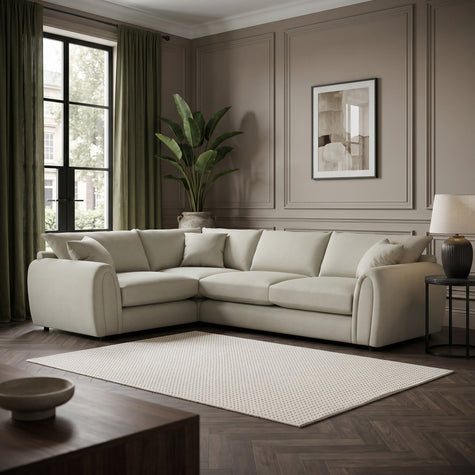




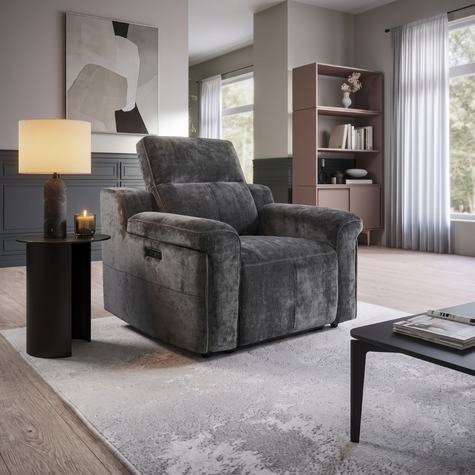
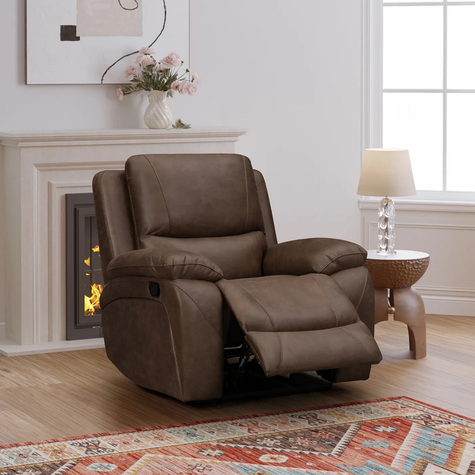

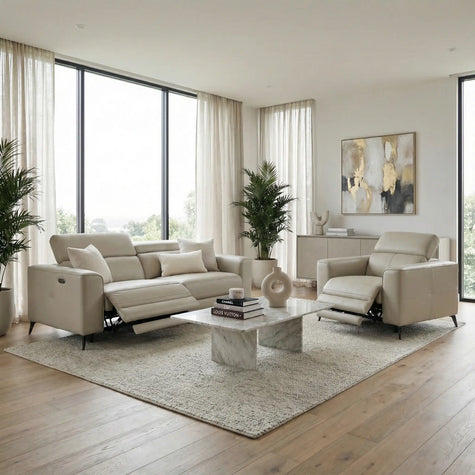
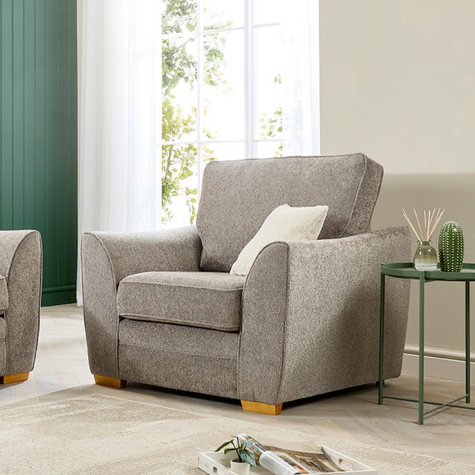





















It is one of the most common questions people ask when buying a new sofa: should it be a left or right corner sofa? It sounds simple, yet the wrong choice can leave you with a chaise facing the wrong way, an awkward walkway or a TV you can barely see. The good news is that picking the right side is easy once you understand how corner sofas are described and how your room really works.
If you are ready to browse while you read, the team at Home Living Outlet has a wide range of styles to suit different homes, budgets and layouts.
What Do Left-Hand and Right-Hand Corner Sofas Mean?
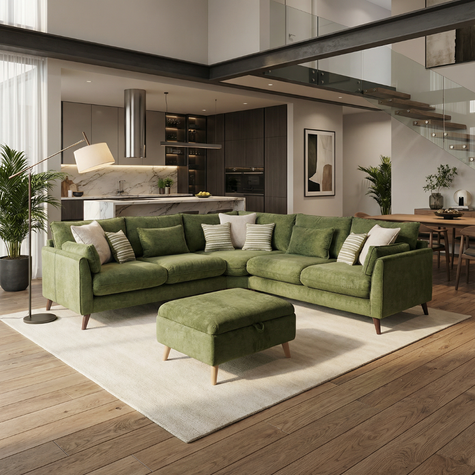
The first source of confusion is that retailers describe sides differently. In the UK, most corner sofas are labelled left-hand facing (LHF) or right-hand facing (RHF). This is always described as if you were standing in front of the sofa, looking at it, not sitting on it.
How to Read the Labels
-
Left-hand facing (LHF): When you face the sofa, the chaise or the longer section sits on your left.
-
Right-hand facing (RHF): When you face the sofa, the chaise or the longer section sits on your right.
-
Sitting versus facing: If you sit on the sofa, left and right swap sides. Always check which view the retailer is using before you order.
When people search for a left or right hand corner sofa, they are usually trying to avoid exactly this mix-up. A quick sketch on paper, with the sofa drawn from the front, can save you a lot of trouble.
A Quick Test You Can Do at Home
Stand in the doorway of the room and imagine walking up to the sofa. Which side of the wall do you want the longer section against? If it is on your left as you face the seating, you need a left-hand facing model. Placing masking tape on the floor in the shape of the sofa makes this even clearer.
Left or Right Corner Sofa: How to Decide
There is no universally better side. The right choice depends on how you use the room. Think about the following before you decide.
1. Where Is the Entrance?
Ideally, the chaise or longer section should sit on the side of the room furthest from the door, so people can walk in without squeezing past your feet. Placing the long section beside a doorway often blocks the natural flow of movement.
2. Where Does the Light Come From?
Windows influence comfort more than people expect. If you like to read on the chaise, you may want natural light coming over your shoulder. If you watch TV during the day, glare could be an issue, so think about the position of curtains and windows.
3. Where Are the Television and Focal Point?
Most families arrange seating around the TV or a fireplace. Think about where you will sit most of the time. The long end of the corner should usually point towards the focal point so the most comfortable seat has the best view.
4. Where Are Radiators and Sockets?
Placing furniture in front of a radiator reduces heat and may damage upholstery. Likewise, if you are choosing a recliner or a model with power features, check that a socket is within easy reach of the side where the mechanism sits.
Room Shapes and Which Side Usually Works
Use these examples as a starting point, then adjust to suit your own room.
Rectangular Living Rooms
In a long, narrow room, put the sofa along the longer wall and place the chaise towards the far end, away from the door. This leaves an open walkway and keeps the room feeling balanced.
Square Rooms
Square rooms are more forgiving. Choose the side that points the chaise towards the television or the main window, and make sure there is at least a comfortable gap behind the sofa if it is not against the wall.
Open-Plan Spaces
A corner sofa is brilliant for dividing an open-plan area. In these homes, the back of the sofa becomes a feature, so think about which side faces the kitchen or dining table and which side leads to the garden doors.
Small Living Rooms
In tighter spaces, use a compact design and choose the side that keeps the main walkway clear. Our corner sofas include options in a range of sizes, so you can find something that suits smaller rooms without sacrificing comfort.
Fixed Corners vs Modular Sofas: Do You Need to Choose a Side?

Here is a secret: you might not have to choose at all. A modular sofa UK shoppers love is made up of separate pieces that can be rearranged whenever you like.
Benefits of Choosing Modular
-
Flexibility: Move the chaise from left to right if you rearrange the room or move house.
-
Easier delivery: Smaller pieces fit through narrow doors, hallways and stairs.
-
Adaptable size: Add or remove sections as your family changes.
-
Future proof: A layout that works now can still work in a different home.
If flexibility matters to you, explore the modular sofas collection and see how a reversible layout could save you from making a left or right decision altogether. A traditional fixed corner sofa can still be a great option if you know your room will stay the same, and it often looks more streamlined.
Recliner Corner Sofas: What to Consider
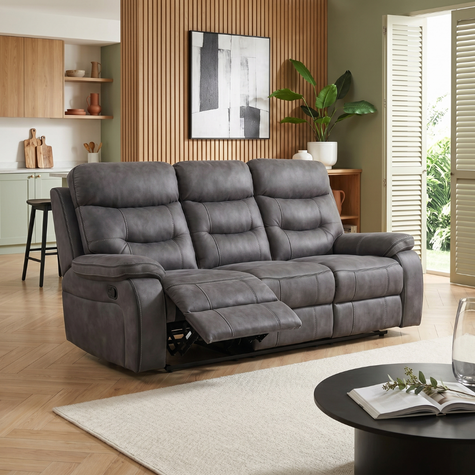
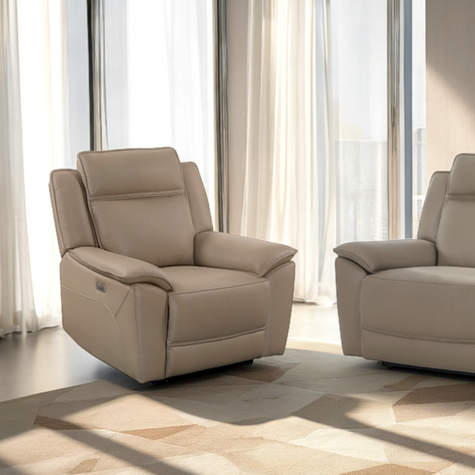
Recliner corner sofas UK homes enjoy are fantastic for movie nights, but they add a few extra considerations when picking a side.
Check the Recline Clearance
Reclining seats need space behind and in front. Measure the distance from the wall and make sure the footrests will not hit a coffee table or walkway.
Think About Where the Reclining Seats Sit
Some layouts have recliners on one end, while others have them throughout. Decide which seat will be used most often and make sure it is close to a socket and has a clear view of the TV.
Plan for Everyone
Many households include a mix of people who love to stretch out and those who like to sit upright. A layout with a mix of recliner and fixed seats gives everyone a place that suits them.
Budget and Style: Finding the Right Fit
A corner sofa is a long-term investment, but it does not need to cost a fortune. Whether you are searching for corner sofas for sale UK wide or aiming for affordable corner sofas UK families can enjoy for years, it pays to compare materials, seat depth and frame quality as well as the layout itself.
-
Fabric: Soft, warm and available in plenty of colours and textures.
-
Leather and leather-look: Easy to wipe clean and long-lasting.
-
Compact designs: Ideal for apartments and smaller living rooms.
-
Large family corners: Maximum seating for entertaining.
At Home Living Outlet, our aim is to make it simple to find a design that looks good and feels comfortable, without overcomplicating the decision.
Common Mistakes When Choosing Left or Right
People often make the same few errors, so avoid these and you will already be ahead.
-
Mixing up facing and sitting: Always confirm which view the product page uses.
-
Ignoring the door swing: Open doors should not collide with the sofa arm.
-
Forgetting the radiator: Heat and upholstery do not get along.
-
Not measuring the delivery route: A great sofa is no use if it cannot get through the door.
-
Choosing for the showroom, not your room: Layouts that look perfect online may not suit your space.
Final Thoughts
Choosing between a left or right corner sofa comes down to how you move through the room, where you like to sit and what the space allows. Take your time, mark the floor, and think about everyday life rather than the way the room looks in a photo. If you would like extra inspiration or want to compare styles before you decide, visit our recliner collection or talk to the Home Living Outlet team, who will be happy to help you find the right fit.

Frequently Asked Questions
1. Which side should a corner sofa chaise go on?
There is no single right answer, but the chaise usually works best on the side furthest from the door and pointing towards the TV or main focal point. Always consider windows, radiators and walkways too.
2. What does left-hand facing mean on a corner sofa?
Left-hand facing (LHF) means that when you stand in front of the sofa looking at it, the chaise or longer section is on your left. Right-hand facing (RHF) is the opposite.
3. Is there a difference between a left and right hand corner sofa in terms of comfort?
Not in the sofa itself. Both are built the same way, just mirrored. The difference is how well each layout works with your room, your habits and the position of your furniture.
4. Can I switch the chaise from one side to the other later?
On many modular designs, yes. Fixed corner sofas usually cannot be reversed, so check the product description before you buy.
5. Should I choose a modular sofa so I do not have to pick a side?
If you move often, like rearranging furniture or are unsure about your room layout, a modular sofa UK buyers rely on for flexibility is a smart choice. If your room is fixed and you know the layout you want, a standard corner can be just as good.
6. How much space do I need for a recliner corner sofa?
Measure the width and depth of the sofa, then add the space needed for the recline motion behind and in front. Check the product dimensions for the fully reclined size to be sure it fits comfortably.


