











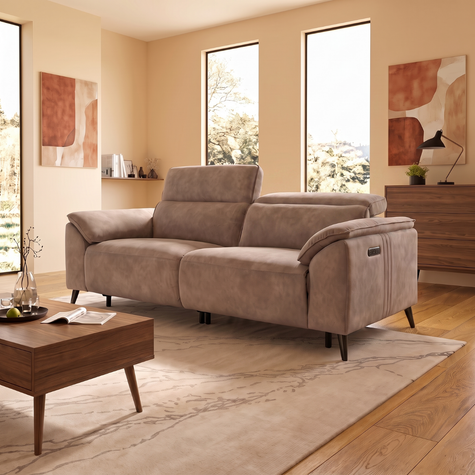

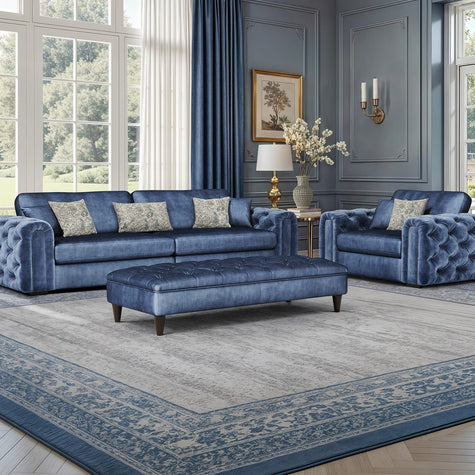
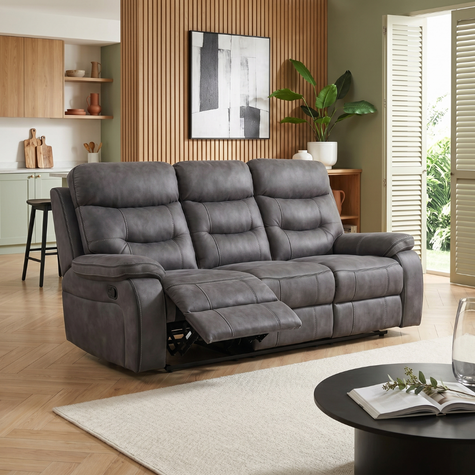
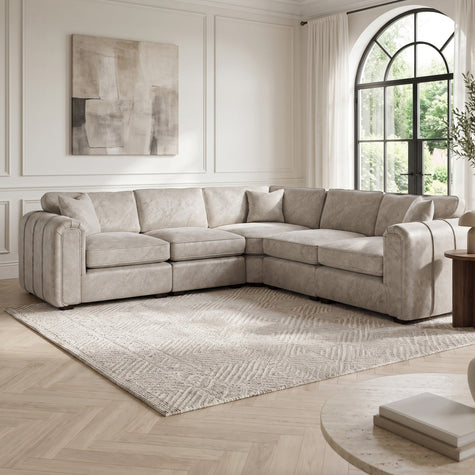





























































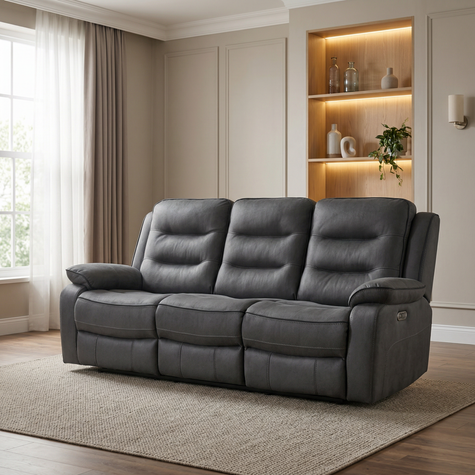


A leather sofa is a centrepiece. It anchors the room, feels wonderful to sit on and, with the right care, can look good for many years. But if you have ever stood over a fresh stain with a bottle of cleaner in your hand, wondering whether it will help or harm, you are not alone. Knowing how to clean leather couch upholstery safely is the difference between a sofa that ages beautifully and one that cracks, fades or peels.
This step-by-step UK guide walks you through the whole process, from identifying your leather to the final buff. Whether your sofa came from a high street shop or a trusted retailer such as Home Living Outlet, the same safe principles apply.
Step 1: Identify Your Leather Type
Before you pick up a cloth, check the care label or the manufacturer's guidance. Leather sofas cleaning methods vary depending on the finish, and using the wrong one is the most common cause of damage.
Common Leather Finishes
-
Pigmented or protected leather: Coated with a protective layer. The most durable and the easiest to clean.
-
Semi-aniline leather: Lightly coated and slightly more sensitive to moisture and products.
-
Aniline leather: Natural and soft, but absorbent. Use only products designed for aniline leather.
-
Leather air material: A modern, lightweight alternative that mimics the feel of leather and is usually simple to wipe clean.
If you cannot find a label, perform a tiny water test in a hidden spot. If a drop darkens and soaks in quickly, you probably have absorbent aniline leather and should be extra careful.
Step 2: Gather the Right Supplies
You do not need a cupboard full of products. A few well-chosen items are better than lots of harsh ones.
-
Soft microfibre cloths (at least three)
-
A vacuum with a soft brush or crevice attachment
-
Distilled water, ideal in hard-water areas of the UK
-
Mild, pH-neutral soap or a recommended leather cleaner
-
Leather conditioner suited to your sofa
-
A soft brush for seams
What to Leave in the Cupboard
Avoid bleach, white spirit, nail polish remover, window cleaner, furniture polish and anything abrasive. These can strip colour and break down the protective coating.
Step 3: Dust and Vacuum First
Dirt left on the surface turns into abrasive paste once it is damp, so always remove loose debris first.
-
Remove cushions and vacuum underneath them.
-
Use a soft brush attachment on the main surfaces.
-
Switch to the crevice tool for seams, folds and stitching.
-
Wipe the sofa with a dry microfibre cloth.
Step 4: Always Patch Test
Choose a hidden area such as the back or the underside of a cushion. Apply a small amount of your cleaning solution, wait until it has dried completely and check for darkening, colour transfer or stiffness. If everything looks fine, you can continue. If not, stop and consult the manufacturer or a leather specialist.
Step 5: Clean the Leather Gently
Now for the main event. Patience and a light touch are everything.
Mix Your Solution
Add a few drops of mild soap to a bowl of lukewarm distilled water. You want a barely soapy solution, not a bubble bath.
Wipe in Sections
Dip a microfibre cloth, then wring it out until it is only slightly damp. Working on one section at a time, wipe in gentle circular motions, moving from the top of the sofa downwards. Do not scrub.
Rinse and Dry Straight Away
Wipe the same section with a second cloth dampened with plain distilled water to remove any residue, then buff dry with a clean, dry towel. Repeat on each area. Working in small sections prevents moisture from sitting on the surface.
Cleaning Tough Areas
Headrests, armrests and seat fronts get the most contact with skin and hair, so they often need a second pass. Use the same solution rather than increasing the strength.
Step 6: Let It Dry Naturally
Heat is leather's enemy. Do not use a hairdryer, radiator or heater to hurry the process. Open a window, leave the room ventilated and allow the sofa to dry at room temperature. Keep pets and children off the sofa until it is completely dry.
Step 7: Condition the Leather
Conditioning is what keeps cleaned leather soft, flexible and protected. Apply a small amount of conditioner to a clean cloth and massage it into the surface using circular motions. Allow it to absorb according to the instructions, then buff away any excess.
-
Frequency: Two to four times a year is usually enough, or every six months for lightly used sofas.
-
Quantity: Less is more. Too much can leave a sticky surface.
-
Timing: Always condition after cleaning, never before.
Special Cases: Recliners, Pets and Families
Some homes ask more of their sofas than others. A few tweaks to your routine will keep things looking good.

Cleaning a Recliner
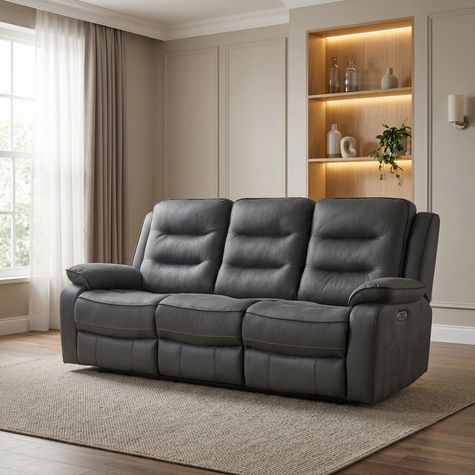
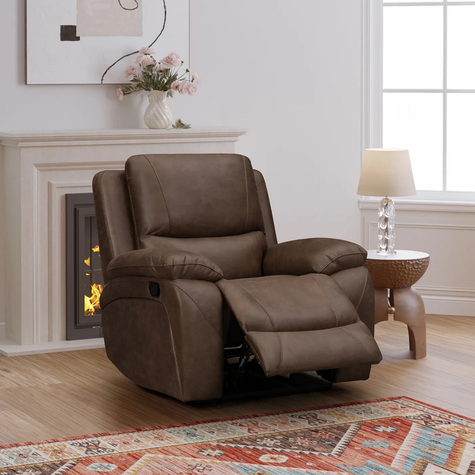
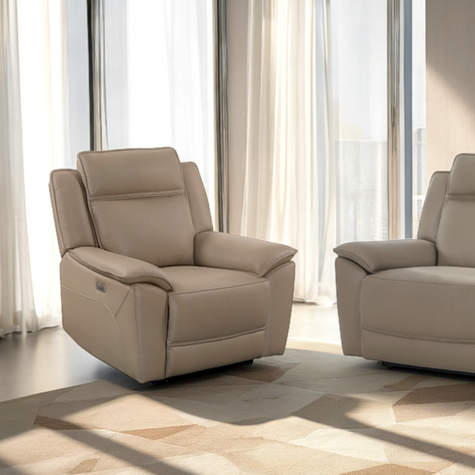
If you own a recliner sofa UK homes enjoy for relaxing, remember to clean the folds and gaps around the footrest and headrest, where dust and skin oils build up. Never spray liquid directly on the mechanism. Keep cloths damp rather than wet and wipe the moving parts with a dry cloth.
Homes with Pets
Brush off hair regularly, wipe paw prints promptly and keep claws trimmed. A washable throw on their favourite spot makes a big difference.
Homes with Children
Children and leather can coexist peacefully with a quick wipe after meals, prompt action on spills and a sensible no-felt-tip rule. Protected leather and leather air material are particularly forgiving choices for busy households.
Quick Fixes for Common Problems
-
Fresh spills: Blot immediately with a dry cloth, then wipe lightly with a damp one.
-
Grease marks: Cover with cornflour, leave for several hours, then brush off.
-
Ink: Use a leather-safe ink remover on a cotton bud and call a professional for large marks.
-
Scuffs: Buff gently with a clean fingertip or dry cloth.
-
Odours: Leave a bowl of bicarbonate of soda nearby, or let the sofa air in a ventilated room.
Mistakes That Damage Leather
It is just as important to know what not to do. These errors are behind many ruined sofas.
-
Soaking the leather with water or cleaner
-
Using baby wipes, bleach or household sprays
-
Placing the sofa right beside a radiator or in strong direct sunlight
-
Scrubbing hard on stains
-
Skipping the patch test
-
Forgetting to condition
Protecting Your Sofa Day to Day
Position the sofa away from direct heat and sunlight, rotate cushions where possible and wipe it down monthly. Small habits prevent big problems.
Care Is Part of Luxury
A luxury furniture store can sell you a beautiful sofa, but it is regular care that keeps it looking exceptional. Luxury home furniture is designed to last, and that longevity depends on how it is treated after it arrives. At Home Living Outlet, we believe good design should be easy to live with, which is why we choose finishes that look elegant and are straightforward to maintain.
If you are thinking about upgrading, take a look at our corner sofas for generous seating and our fabric collection if you prefer a softer, lower-maintenance finish. Whichever you choose, a few minutes of regular care will make your furniture last, and Home Living Outlet will be happy to help you find the right fit.

Frequently Asked Questions
1. What is the safest way to clean a leather couch?
Vacuum first, patch test, then wipe with a slightly damp microfibre cloth and a mild soap solution made with distilled water. Rinse with a clean damp cloth, dry straight away and finish with leather conditioner.
2. Can I use leather wipes on my sofa?
Leather-specific wipes can be fine for light cleaning on finished leather, but always check the label and test a hidden area first. Avoid regular baby wipes and multi-surface wipes.
3. How do I clean leather air material?
Leather air material is usually easy to care for. Wipe it with a soft cloth dampened with lukewarm water and a little mild soap, then dry with a clean cloth. Always check the manufacturer's instructions.
4. How often should leather sofas be cleaned and conditioned?
Dust or vacuum weekly, wipe monthly and condition every three to six months. Sofas in sunny rooms, near radiators or in busy households may need more frequent care.
5. Why is my leather couch cracking?
Cracking is usually caused by dryness from heat, sunlight, harsh cleaners or a lack of conditioning. Regular gentle cleaning and conditioning help prevent it, but deep cracks may need professional repair.
6. Is it safe to use a recliner sofa after cleaning it?
Yes, once the leather is fully dry. Avoid using the recliner while the surface is damp, and keep moisture away from the mechanism during cleaning.


